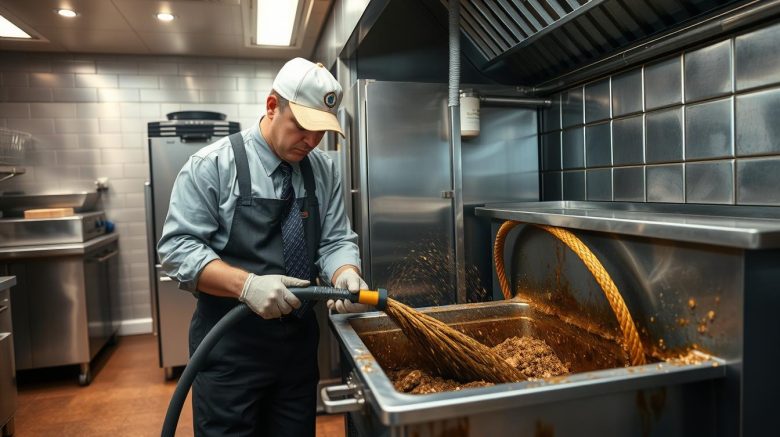
Have you ever pondered the effect of fats, oils, and scraps on your commercial kitchen’s pipes? This is an issue often neglected, yet the outcomes can be severe. Prioritizing routine commercial grease trap cleaning is vital to keep your kitchen running smoothly and to avert expensive plumbing issues. Our team delivers professional grease waste removal customized to your requirements.
Additional details about grease cleaning and pumping

Find information about grease cleaning and pumping

This content about grease cleaning and pumping
At the core of these offerings is scheduled care of restaurant grease traps. This is critical for ensuring adherence to regulations and productivity within your facility. With advanced equipment and expert staff available 24/7, we strive to help you in maintaining your establishment functioning without issues. Let’s explore the importance of effective grease waste control and the top strategies for a sanitary and legal food preparation area.
Comprehending Grease Interceptors And Their Value
These devices are critical for the effective functioning of commercial kitchens. Also referred to as FOG interceptors, they treat the drainage from culinary facilities efficiently. Their mechanism and importance are crucial to the operational health of restaurants.
Understanding The Grease Trap Device
A grease trap is a plumbing device engineered to trap fats, oils, and grease (FOG) before flowing into the municipal sewer. Its key purpose is to stop these waste products from blocking drains, which often leads to major drainage issues. Located in the drain line of the kitchen, these devices utilize a baffle system to separate debris and fats.
When water passes through the unit, lighter substances like grease separate to the upper layer, whereas solid debris sink to the base. This ensures effective segregation, allowing the plumbing operating without issues.
The Mechanism Of Grease Traps In Restaurants
The operation of the interceptor relies on separating and holding waste. During intense service periods, at the busiest times, keeping these units functional is crucial. Regular pumping is necessary to handle the volume of grease and solids.
This cleaning process clears out the collected waste, stopping clogs and promoting cleanliness. Effective grease trap waste disposal mechanisms maintain kitchen safety and legal with health regulations. Establishments that look after their grease traps efficiently enhance operational efficiency and maintain public health standards.
| Grease Trap Function | Value In Food Service |
|---|---|
| Removes grease from drainage | Prevents plumbing clogs and costly repairs |
| Facilitates regular pumping | Keeps business legal with health codes |
| Maintains a sanitary workspace | Supports safe food handling practices |
Strategies For Effective Grease Trap Care
For all restaurant operations, servicing grease units is critical. A consistent routine is key to preventing blockages or overflows. Routine maintenance not only maintains productivity but also defends against sanitation penalties.
Scheduled Upkeep Plans
Creating a cleaning calendar is important to make sure the trap works well. Usually, these traps should be cleaned on a monthly or quarterly basis, based on the volume of cooking and FOG production. A consistent plan lowers the possibility of waste overload and associated problems.
When To Service Your Grease Interceptor
Recognizing indicators of interceptor failure can assist in preventing serious complications and expensive fixes. Common indicators include:
- Constant clogs in the drainage system
- Bad stenches coming from the unit
- Sluggish water flow
It’s crucial to take action on these indicators quickly. Overlooking these signs may result in major monetary and legal trouble from health inspectors. To ensure proper FOG disposal within food service facilities, hiring professional services guarantees adherence to laws and seamless workflow.
Finding The Ideal Grease Removal Service
Picking the ideal grease waste provider is critical for the smooth functioning of restaurants. It’s essential to comprehend the criteria to choose wisely. This can significantly enhance the cleanliness of your business.
Key Criteria For Selecting A Service Provider
Several key factors should influence your choice when hiring grease trap services:

- Experience: Select companies with a proven track record. Their expertise in waste control can be invaluable.
- Credentials: Make sure the company has the correct licenses and adheres to regional disposal regulations.
- Customer Reviews: Check reviews from other businesses to measure trustworthiness and service quality.
- Tools and Methods: Make sure the provider uses modern methods for drain cleaning. Old-fashioned methods could be inefficient.
- Response Time: Quick action in emergencies is vital to prevent costly downtime.
Benefits Of Using Professional Grease Removal Services
Specialized cleaning providers provide major advantages:
- Efficient FOG Removal: Professionals guarantee grease is handled legally, lowering environmental impact.
- Efficiency: Outsourcing grease maintenance allows your team to concentrate on cooking.
- Compliance Assurance: Service providers monitor regulatory changes, keeping your establishment within the law.
- Hygiene and Protection: Proper maintenance lowers sanitary risks and costly drain blockages.
- Saving Money Over Time: Scheduled maintenance can prevent costly fixes or replacements later on.
Sustainability And Grease Trap Maintenance
Proper grease waste disposal is essential for ecological preservation. Good trap upkeep reduces pollutants in nearby rivers and lakes. This action not only saves fish and wildlife but also enhances the overall environment. Establishments need to understand their responsibility in handling waste to comply with grease trap waste regulations, thus reducing the negative effects of grease disposal.
Positive Environmental Effects Of Grease Control
Efficient grease waste disposal offers numerous environmental benefits:
- It stops fats and oils from contaminating water sources by keeping it out of drainage systems.
- It supports the functionality of sewage treatment plants.
- It contributes to the well-being of the surrounding environment.
Regulations For Grease Trap Waste Disposal
Following grease trap waste regulations is crucial for restaurants and caterers. These rules ensure responsible handling of collected FOG. Important rules are:
| Rule | Description |
|---|---|
| Federal Water Law | Legislation managing the release of contaminants into American waterways. |
| Local Waste Management Policies | Guidelines created by local governments about the processing of grease waste. |
| Record Keeping | Certified providers require comprehensive records of pumping and dumping to promote accountability. |
By adhering to these regulations, businesses ensure effective grease management and reduce their environmental impact. Understanding the importance of proper grease waste disposal promotes a sustainable future for our neighborhoods and environment.
Grease Interceptor Pumping And Its Role In Food Service
In the fast-paced world of food service, FOG trap cleaning are essential for keeping things running clean and fast. These interceptors are crucial in preventing grease and oil from entering the sewage system, which can cause blockages and result in large penalties. Regular pumping ensures these systems don’t overflow, keeping the workspace safe from potential health hazards and maintaining safe food standards.
Keeping food service grease interceptors in excellent shape is fundamental to satisfying sanitary regulations and ensuring a hygienic space. A well-maintained interceptor minimizes the possibility of unpleasant stenches and ensures a clean area for staff and customers. By selecting expert trap cleaning, restaurants can focus on delivering quality cuisine free from concerns about grease issues.
Furthermore, routine maintenance of FOG traps is more than just routine upkeep; it’s an investment in the future viability of the restaurant. Restaurants that follow a consistent pumping schedule avoid the need for urgent sanitation services and help the planet by ensuring proper waste disposal. Emphasizing the importance of this upkeep is crucial for establishing a protected and regulated food service environment.
******************************************************
Official website about grease cleaning and pumping

The article about grease cleaning and pumping

Official website about grease cleaning and pumping
Related: Compton Commercial Kitchens: Grease Trap Cleaning Best Practices